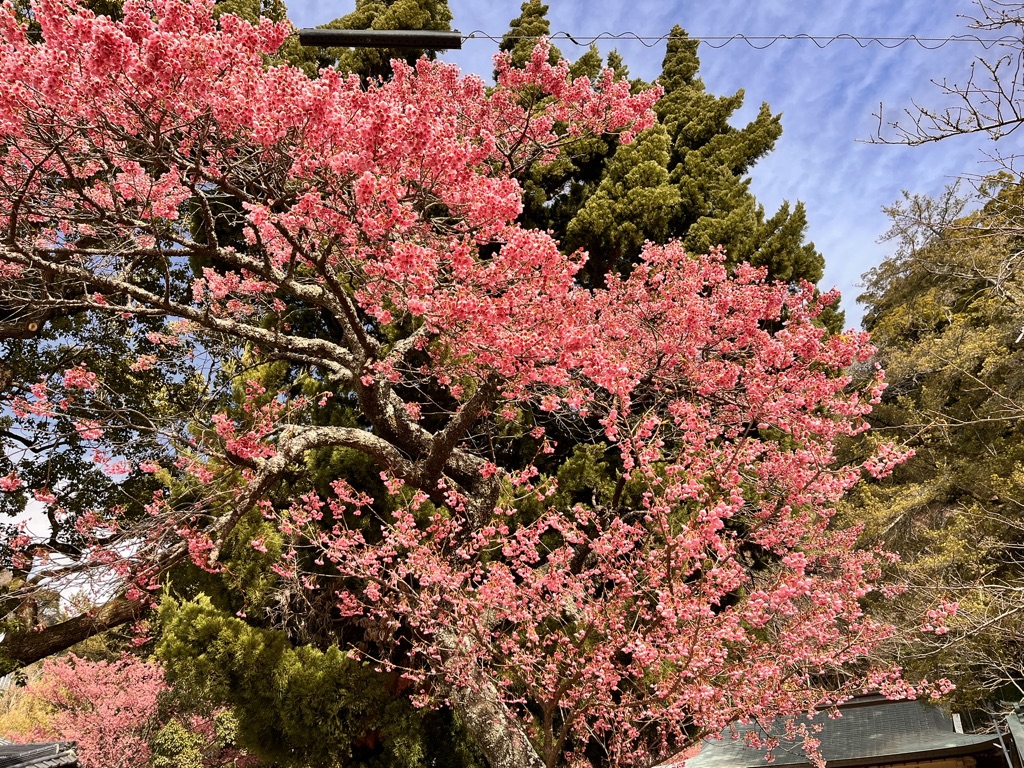
January is still winter. That holds true even in Izu, which is considered a relatively warm region. At times, temperatures drop into the single digits, and the mountains of the Amagi Highlands, rising over 1,000 meters above sea level, may be dusted with snow.
Even in such cold weather, however, there is a type of cherry blossom that heralds the arrival of spring a little early: the Toi-zakura. When people think of cherry blossoms, they usually picture the Somei Yoshino variety, which blooms from late March to early April.
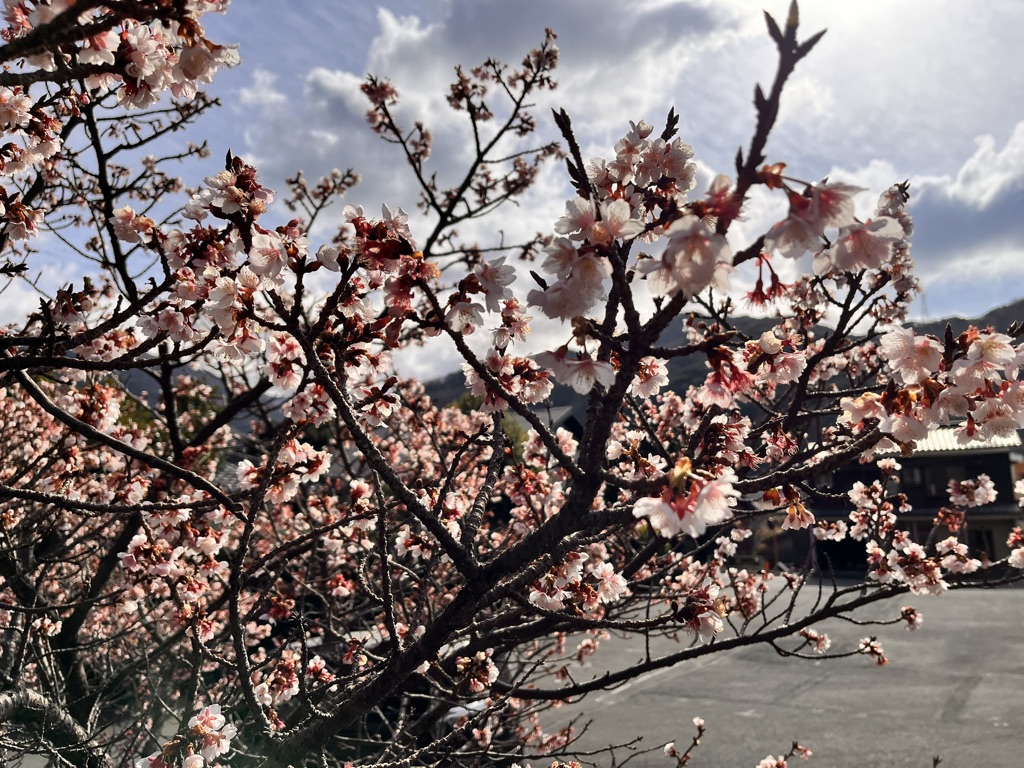
Yet there are some varieties that reach full bloom even earlier. Among these early bloomers, the Kawazu-zakura is the most famous. True to its name, it blooms in Kawazu on the eastern side of Izu, typically from mid-February to early March. The rows of cherry trees lining the Kawazu River near Kawazu Station are spectacular, and when they reach full bloom, crowds flock there day after day.
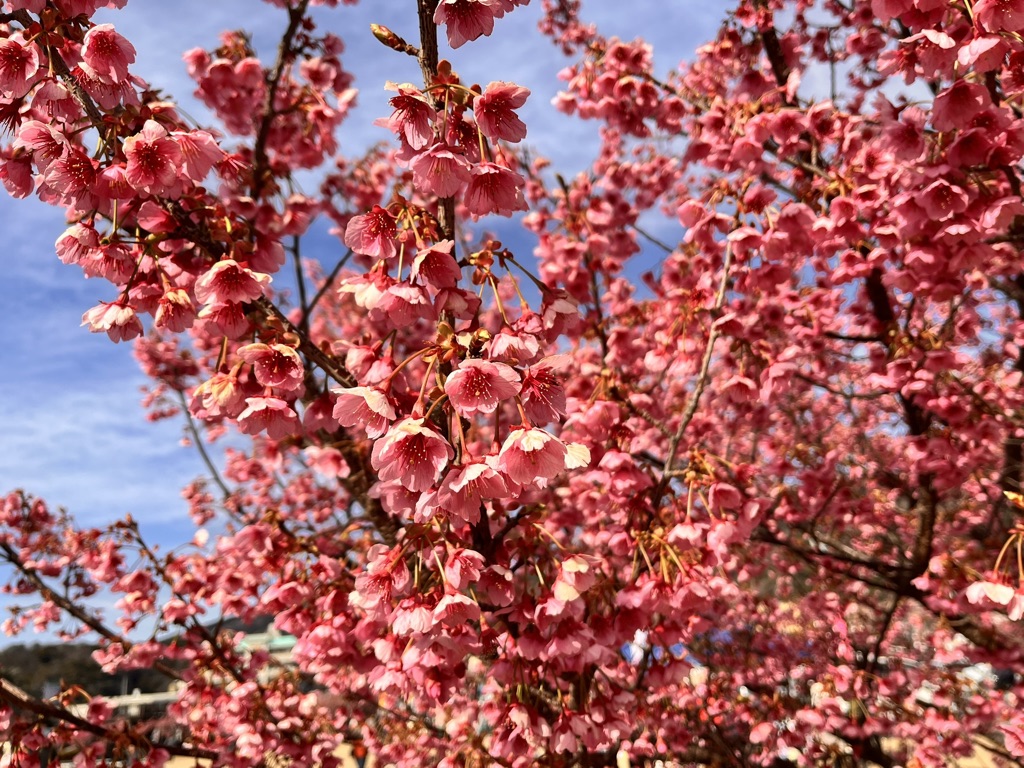
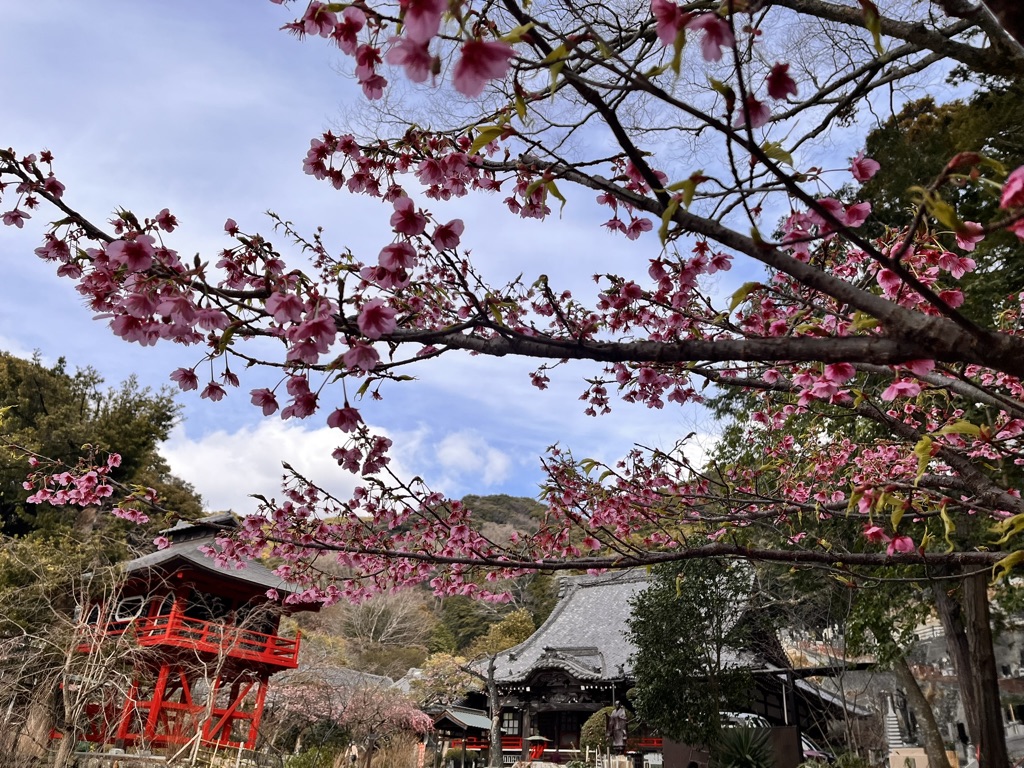
The Toi-zakura blooms about a month earlier than the Kawazu-zakura and is perhaps the earliest-blooming cherry blossom of all. While Kawazu-zakura is well known, it is hard to say the same for Toi-zakura. There are likely several reasons for this. One may be that there is no grand avenue of cherry trees; instead, a few trees stand within temple or shrine grounds, or are scattered here and there throughout the town. The largest cluster can be found at Matsubara Park along Toi Beach and in the surrounding area, but even there, the atmosphere feels modest.
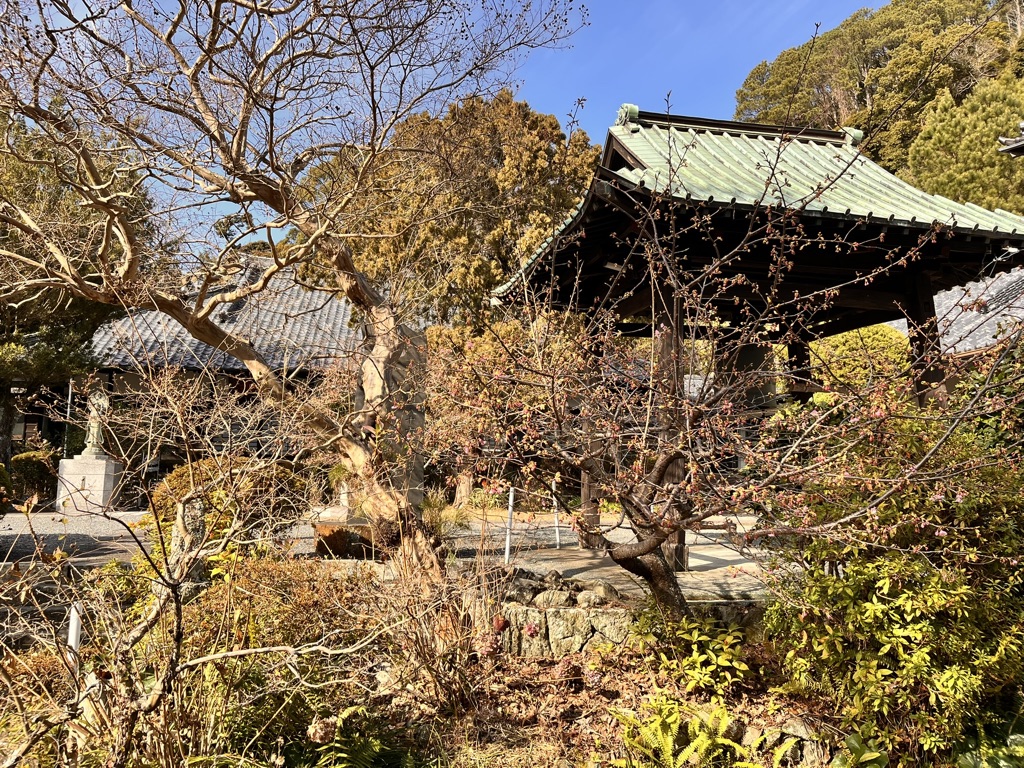
Another reason may be that Toi itself is not particularly easy to access. By public transportation, one must first travel by train to Shuzenji, then take a bus that runs only about once an hour, and ride it for nearly another hour before finally arriving.
Moreover, the western side of the Izu Peninsula, where Toi is located, is especially subject to strong westerly winds in winter, with gusts of 7 to 9 meters per second being common. Walking around town to visit the scattered cherry trees in such conditions can be quite challenging.
All of these factors may contribute to why the Toi-zakura has not become widely known. Nevertheless, from late January to early February each year, the Toi Sakura Festival is held, offering seasonal events unique to this time of year.
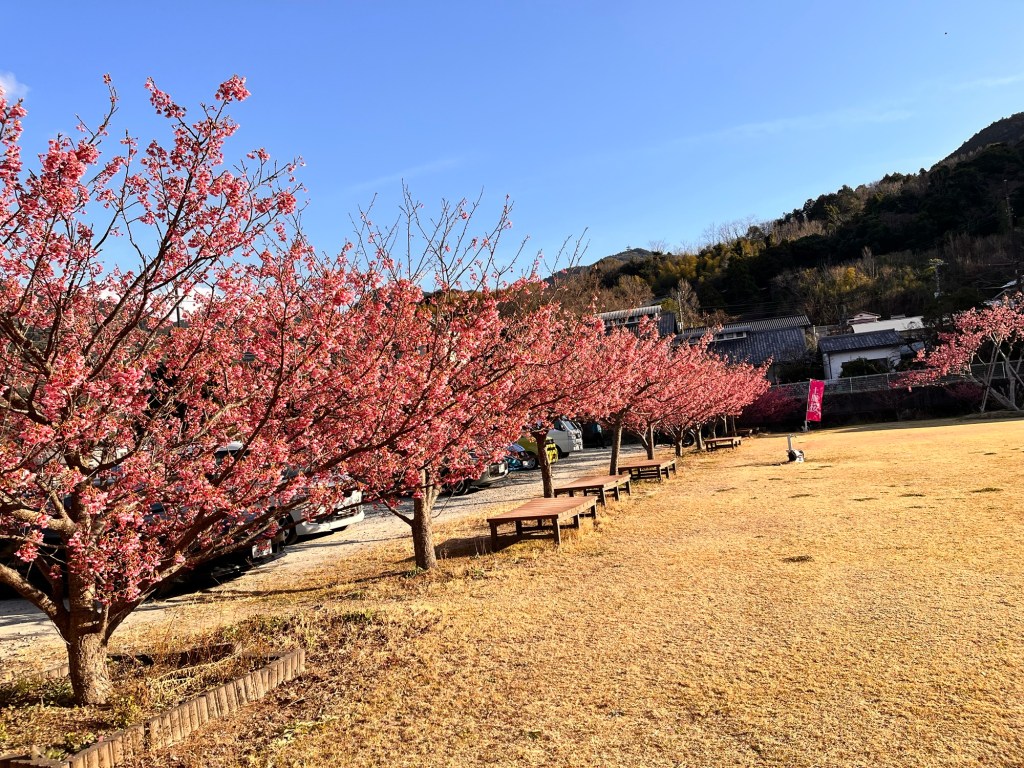
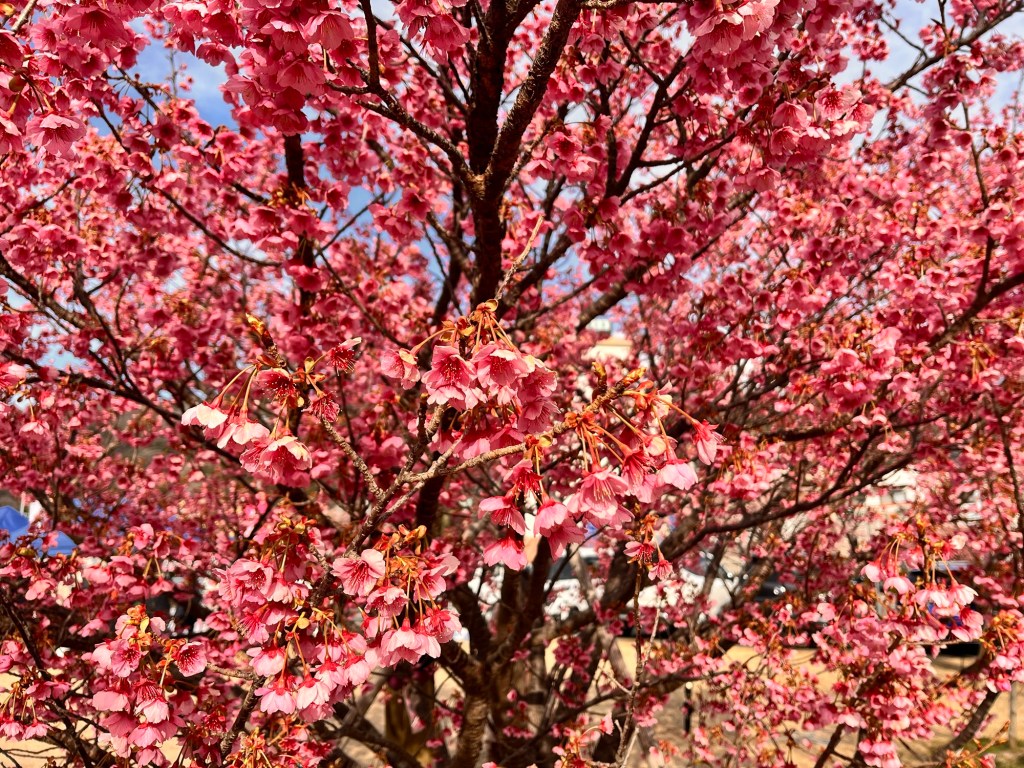
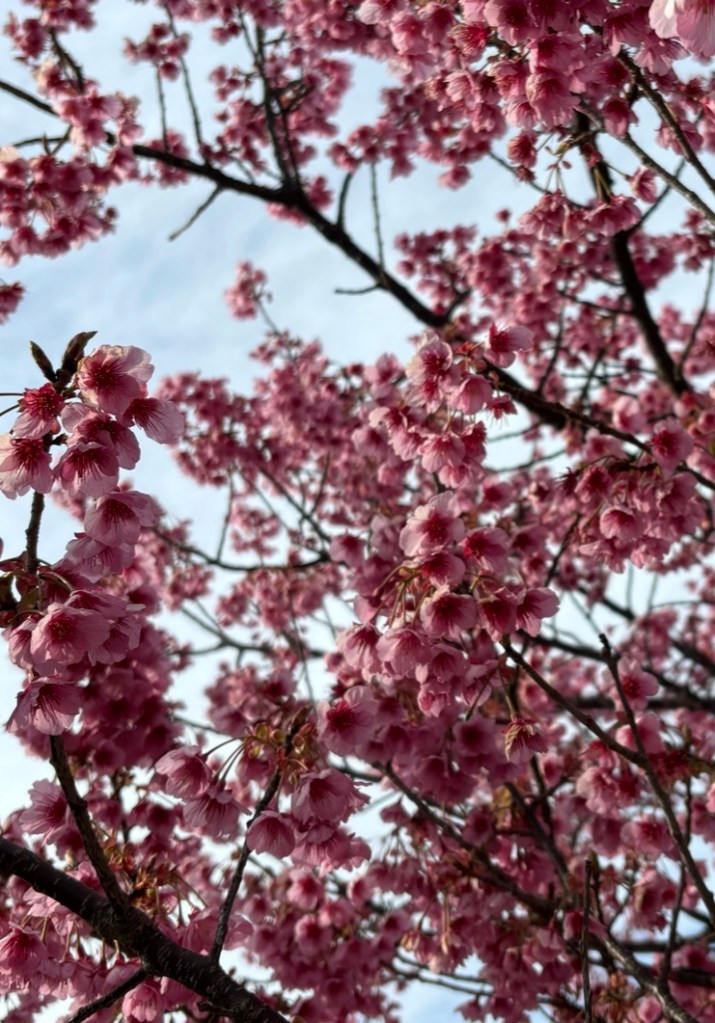
Compared to Somei Yoshino, Toi-zakura blossoms are a deeper pink, with longer stems, and they bloom in a slightly downward-hanging manner. The trees themselves are relatively slender and small, making it possible to step close to branches blooming at about eye level and admire the flowers in detail.
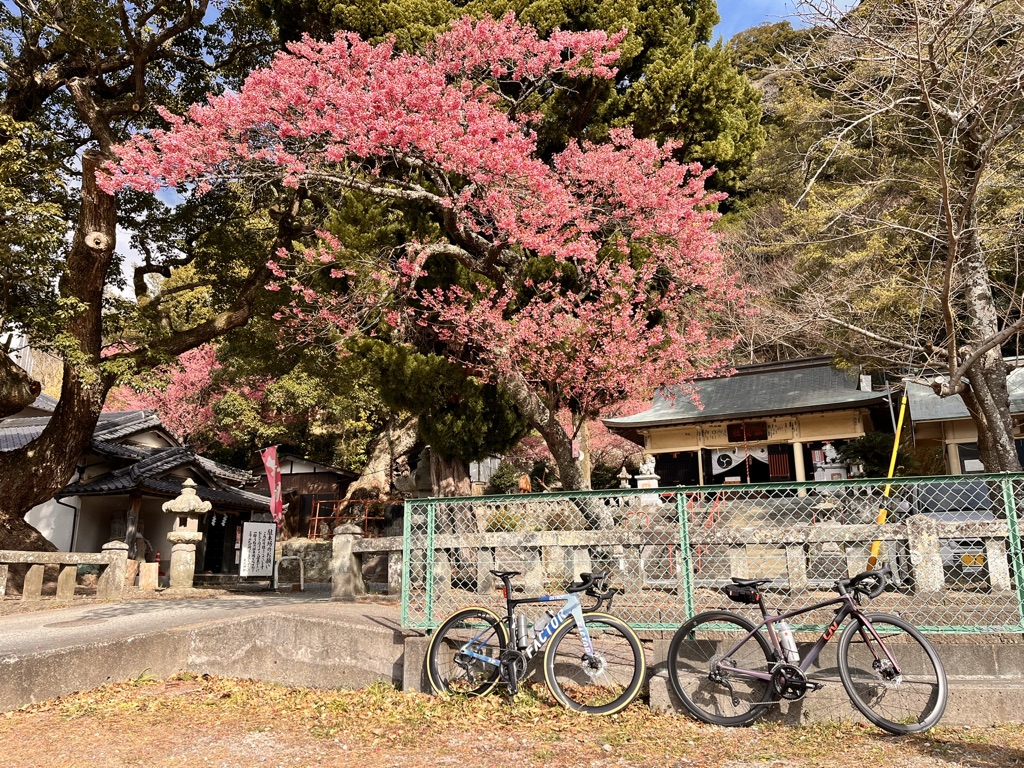
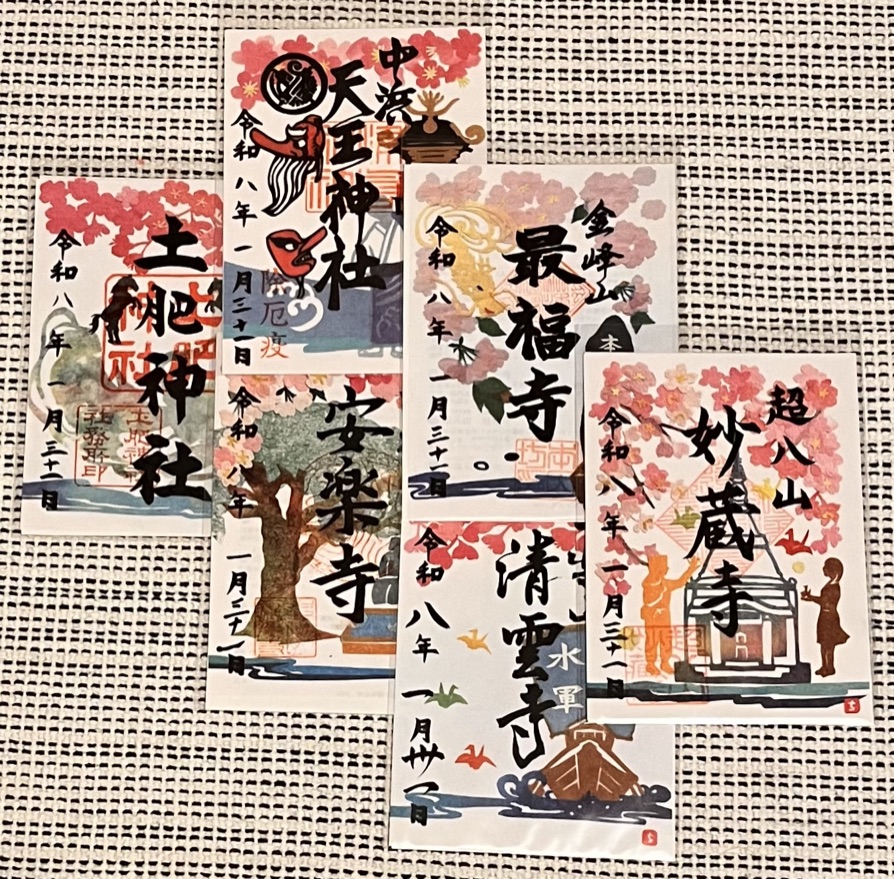
During the festival period, some temples and shrines offer limited-edition goshuin—special commemorative seals available only at that time. These temples and shrines are scattered throughout Toi and in nearby areas. Since Toi-zakura quietly bloom within their grounds, visiting them while collecting goshuin can be a pleasant way to explore. However, covering the distance on foot can be demanding. The terrain is not particularly steep, so a bicycle is an ideal means of getting around.
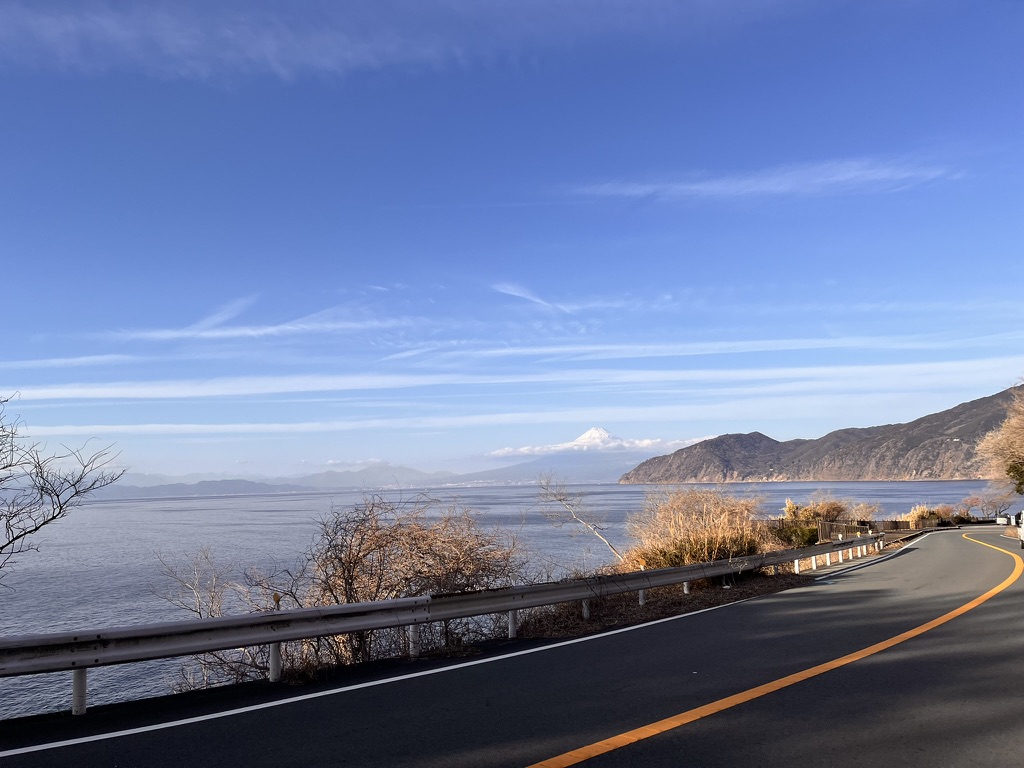
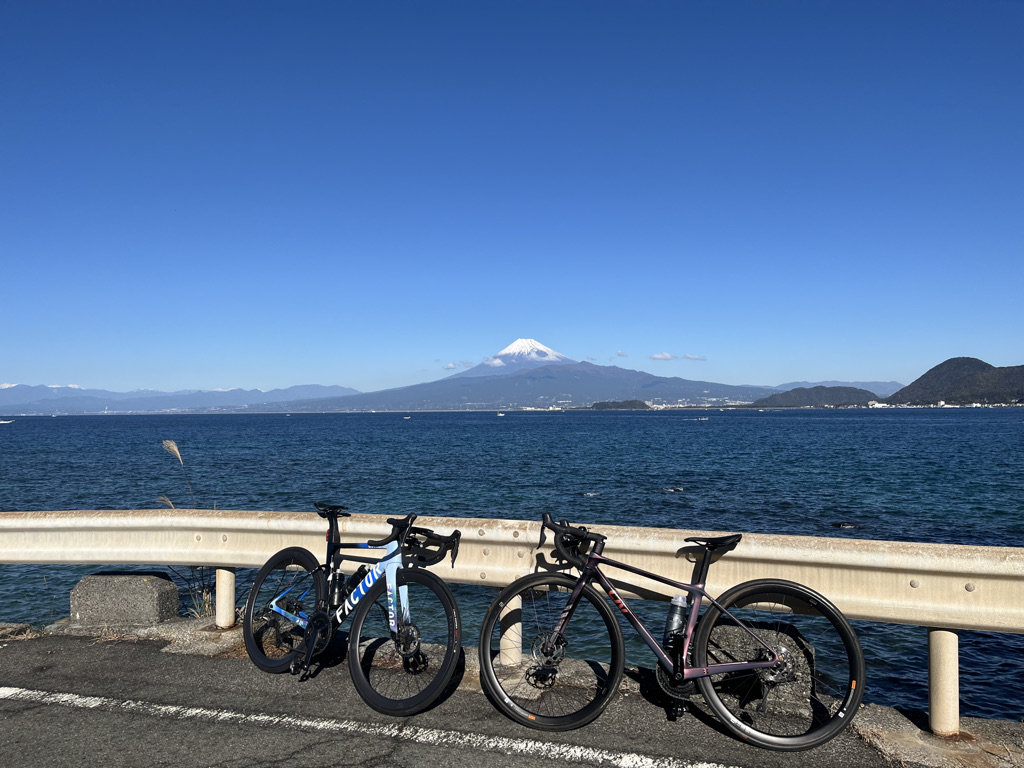
One of the pleasures of cycling in West Izu is riding along coastal roads with Mount Fuji visible in the distance. In particular, the route heading south from Toi toward Cape Lovers (Koibito Misaki) offers views of Mount Fuji from various points along the way.
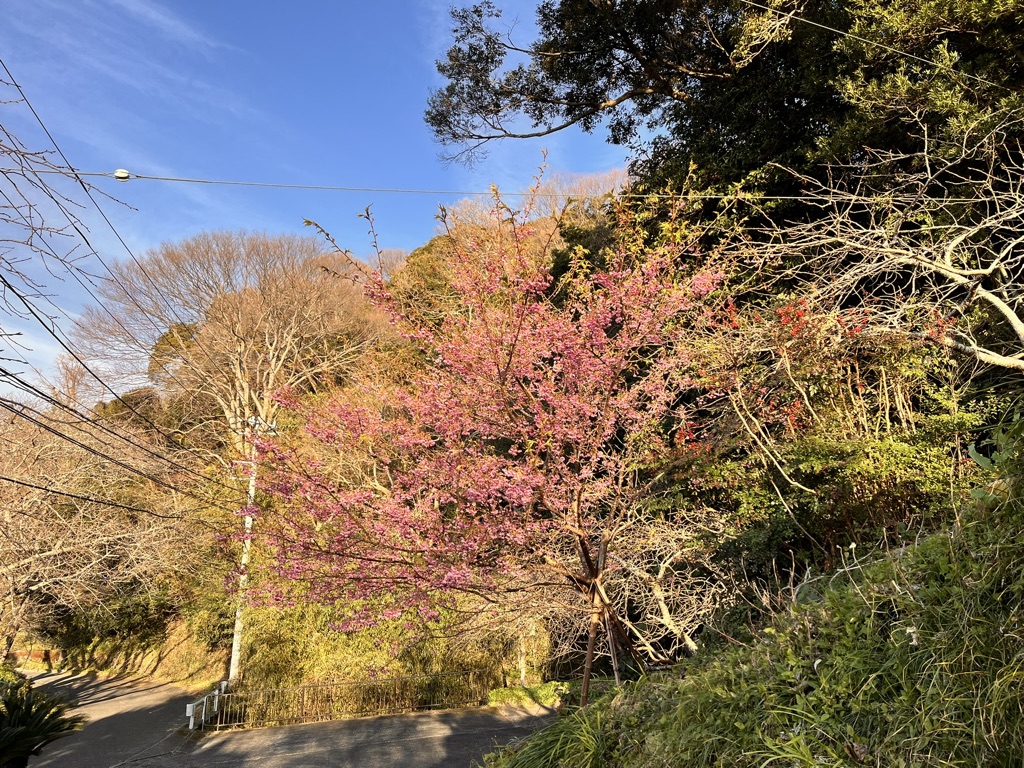
In 2026, the blossoms bloomed about two weeks earlier than usual, with some trees reaching full bloom by mid-January. Due to successive cold waves, strong winds blew day after day. It was not until the end of January, when the wind miraculously weakened for just one day, that I was able to visit. Fortunately, many of the blossoms were still in full, vibrant bloom, and I was able to enjoy them at various locations.
There are several ways to reach Toi:
- The coastal route from the Numazu area
If starting from Numazu, this route is recommended. Along Route 17, you can ride a mostly flat stretch with minimal elevation change along a bay known as Nishiura, heading toward the distinctive cape called Osezaki. Across the bay, Mount Fuji comes into view.
However, beyond Osezaki, the coastal road features a series of ups and downs. At times, it feels as though you are riding through the mountains. Still, there are many scenic viewpoints along the way, such as Kirameki no Oka, Deai Misaki overlooking the town of Heda, and Ao no Oka with views toward southern Izu.
- The climbing route from Shuzenji via the Nishi-Izu Skyline
From Shuzenji to the entrance of the Nishi-Izu Skyline, there is an elevation gain of about 700 meters. The first few kilometers are quite steep, but after that the climb becomes more gradual. Although Mount Fuji occasionally comes into view, much of the route runs through forested areas. Just before reaching the Skyline, there is a facility called Daruma-yama Rest House, which has an observation deck overlooking Mount Fuji and offers light snacks—an ideal place for a break.
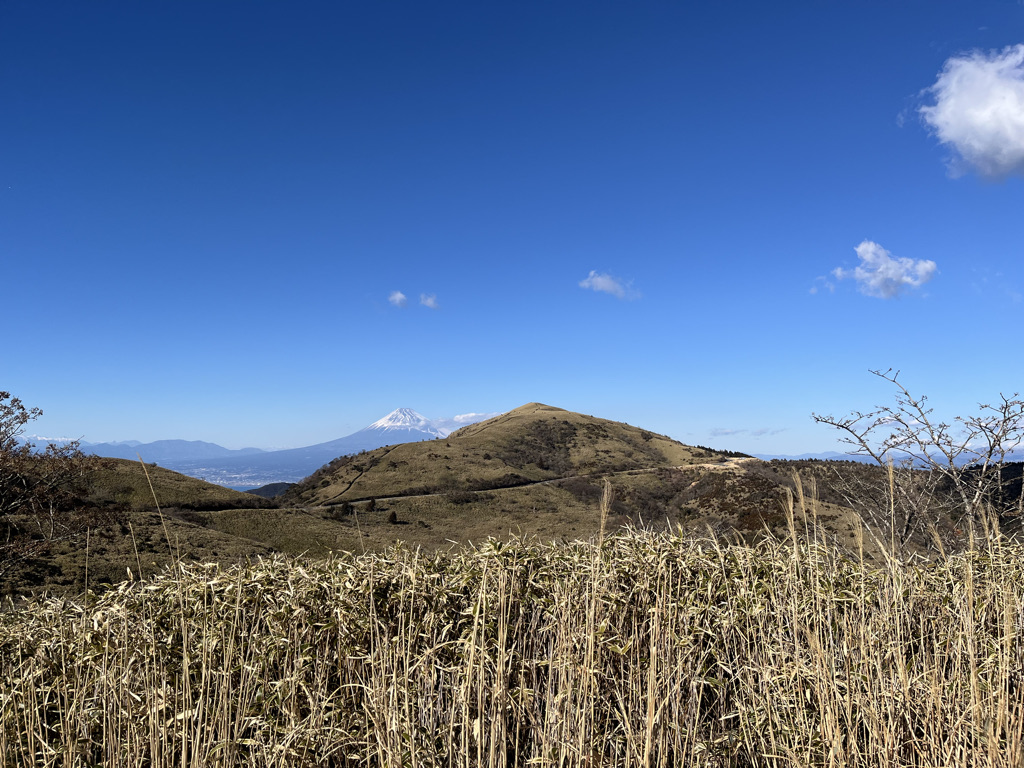
Even after entering the Nishi-Izu Skyline, the road continues through trees for a while, but gradually the view opens up, revealing distant vistas of Hakone and eastern Izu. Ahead, you will notice a bowl-shaped mountain: Mount Daruma. The Skyline climbs along its mid-slope with a gradient of about 9 percent. During this climb, be sure to look back. On a clear day, Mount Fuji will come into view—one of the finest vistas along the Nishi-Izu Skyline.
Looking back again while climbing Kokiyama, you can see Mount Fuji beyond Mount Daruma. From there, the road becomes a downhill stretch all the way to Toi, and Mount Fuji disappears behind the mountains, making this the last spot along the way where you can see it.
At Toi Pass, leave the Skyline and continue downhill toward Toi. You will arrive in less than 30 minutes.
- The gently ascending route from Shuzenji via Tsukigase
Follow Route 349 or 414 along the Kano River toward Tsukigase. From Tsukigase, take Route 136 and continue on a gradual climb. Although this route offers no scenic views, there are no steep slopes, so even those who are not confident in their legs can reach Toi at a relaxed pace. Along the way, you will pass through the Funabara Tunnel, which is over one kilometer long, so be sure to turn on both your front and rear lights. Once through the tunnel, you can enjoy a wonderful downhill ride all the way to Toi.


All the way to Kawazu-zakura – Izu Climbing への返信 コメントをキャンセル